
What Probate Covers in Isabella County
Probate is its own branch of the county trial court. In Isabella County the work sits with the 37th Probate Court, also called the Probate Division. It handles estates for people who have died, guardianships, and conservatorships. It also hears adoptions, name changes, and hospitalization petitions for people with a mental illness. These matters are separate from criminal, traffic, and general civil cases.
The division shares the county trial court complex at 300 North Main Street in Mount Pleasant. Its jurisdiction is set by state statute and is distinct from the district and circuit courts. The probate division page lists the topics the court handles and how to reach staff.
Probate stands apart from the other trial courts for a reason. The 21st Circuit Court hears felonies and larger civil claims, and the 76th District Court handles misdemeanors and traffic. Probate instead deals with people and their estates. That focus means its filings, its terms, and its search steps differ from a criminal or traffic lookup, even though all three courts sit in the same building.
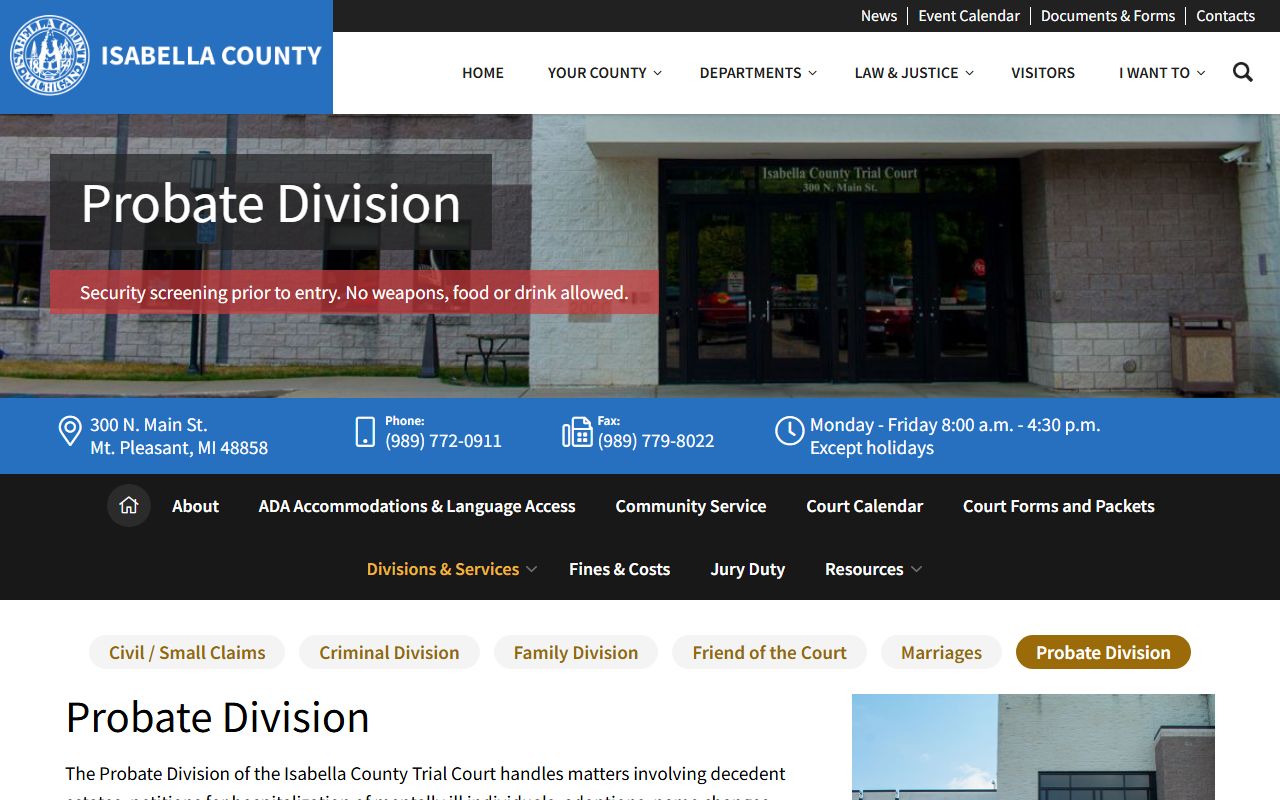
The page groups the division's duties in one place, from estates to guardianship. It is a good first read before deciding which filing type applies to your situation.
Probate Terms Defined
Probate filings lean on a handful of legal words. Knowing them helps a searcher read a docket and pick the right filing type. The short glossary below covers the terms that come up most often.
- Testator
- The person who made the will. A testator sets out how their property should pass after death.
- Executor
- The person named in a will to carry it out. In Michigan this role is often titled personal representative.
- Intestate
- Dying without a valid will. State law then decides how the estate is divided among heirs.
- Guardianship
- A court arrangement where one person is given authority to make personal or care decisions for another.
- Conservatorship
- A court arrangement that gives one person control over another's finances or property.
How to Search Isabella County Probate Records
Most probate case data is searched through the statewide court system. Michigan runs a single public case search that includes the county's probate court. The MiCOURT search for the 37th Probate Court is the online starting point.
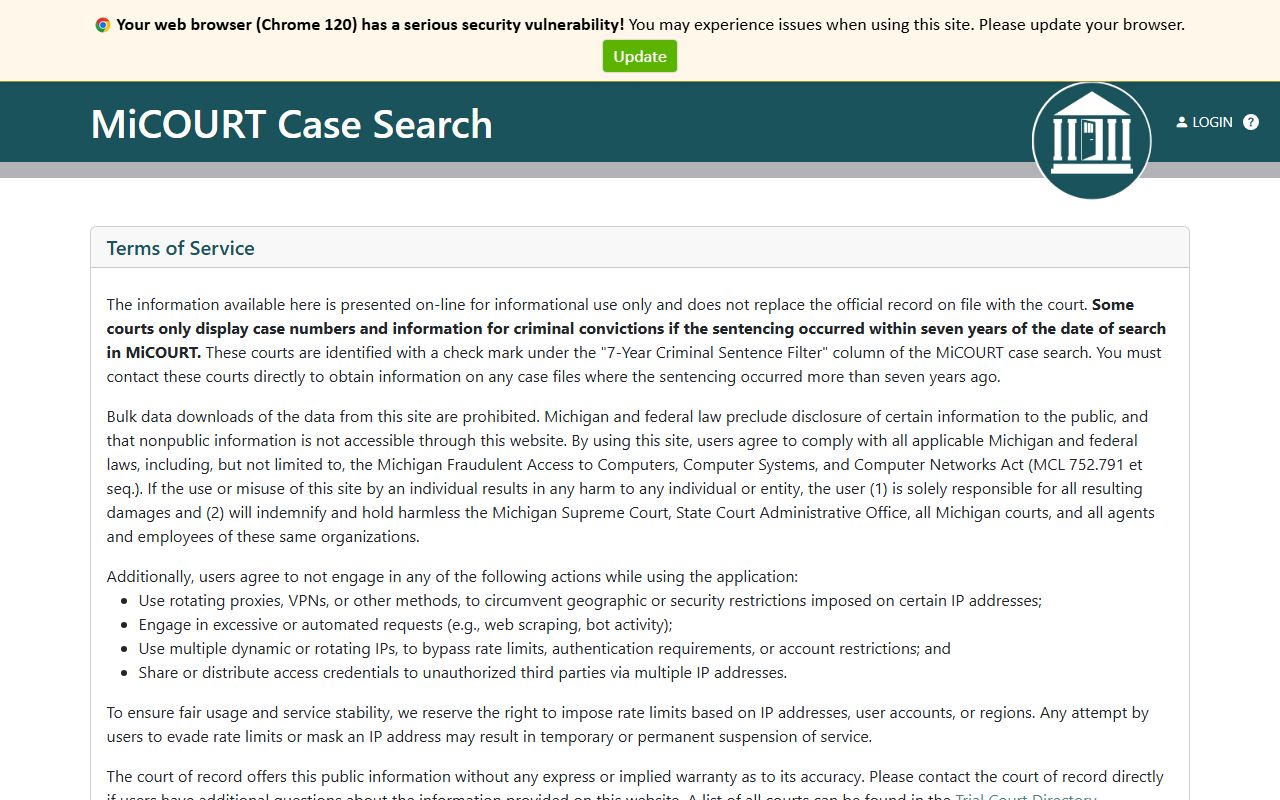
The tool lets a user look up a case by party name or case number. It returns case-level details, not full document images. Older files may not appear online at all, and some categories are withheld by law. When a filing is not online, the next step is a call or visit to the Probate Division.
- Open the MiCOURT case search and select the 37th Probate Court.
- Enter a last name, a business name, or a case number to run the search.
- Review the result rows for the matching estate, guardianship, or name-change case.
Note: The online index shows case status and hearing data, so contact the Probate Division directly when you need a certified filing or a document the search does not display.
The 37th Probate Court
One court handles all probate matters in the county. It works from the trial court complex and keeps its own phone line for probate questions. Use the contact card below to reach staff before filing or requesting a copy.
37th Probate Court (Probate Division)
300 North Main Street
Mount Pleasant, MI 48858
(989) 317-4212
Mon–Fri 8:00 a.m.–4:30 p.m.
The Probate Division sits under the same trial court umbrella as the circuit and district courts. Case filings and copy requests, though, route to probate staff rather than the general court counter.
Probate Filing and Copy Fees
Probate filing and certified copy fees in Michigan are set by statute and the court's own fee schedule. The inspected county pages do not publish a single probate fee list, so the amounts below are marked as court-set rather than fixed here. Confirm every charge with the Probate Division before filing.
| Item | Amount |
|---|---|
| Estate or decedent petition | Set by the 37th Probate Court schedule |
| Letters of authority | Confirm with the Probate Division |
| Certified copy of a filing | Court-quoted per document |
| Guardianship or conservatorship petition | Set by statute and court schedule |
Because probate fees can change with state rule updates, a quick call saves a wasted trip. Ask the division what the current filing fee is and whether payment can be made online or only in person. It also helps to ask how many certified copies you will need, since a copy count often drives the final total. Getting the fee right up front keeps a filing from bouncing back for a short payment.
What Isabella County Probate Records Show
A probate file grows as a case moves. Early filings open the matter, and later ones settle it. The record can hold petitions, orders on capacity and appointment, and documents that manage a trust or estate.
Estate files often include the will, an inventory of assets, accountings, and a final distribution order. Guardianship and conservatorship files show the petition, medical or capacity findings, and the order naming the guardian or conservator. Adoption and name-change matters generate their own petitions and orders. The public index reflects the case, while the sensitive contents may stay with the court.
The online index shows the case shell rather than each page. Expect to see the case number, the case title, the filing date, the case status, and any next hearing. A balance may appear when fees are owed. Those fields help a searcher confirm they have the right matter before requesting the full record. To read a will, an accounting, or an order in full, ask the Probate Division for the document itself.
Restricted Probate Records
Not every probate record is open. Adoption files are confidential by law, and mental-health hospitalization petitions carry strong privacy protections. Records that involve minors can also be limited. A public search may show that a case exists while keeping the underlying documents sealed.
Confidentiality here follows both statute and county policy. Adoption records and some family-protection details are closed, and mental-health matters sit behind strong privacy rules. Personal identifiers, such as a full Social Security number, are redacted from public views under Michigan court guidance. The public search and the sealed court file are simply two different things, and the difference is by design.
When a filing is restricted, the fallback is the same as for any court record. Start with the online search, then move to a request through the Probate Division, and finally to in-person inspection where the law allows. Party or attorney standing is often needed to view sealed content. For marriage and divorce filings that sit outside probate, the Marriage & Divorce Records page covers the clerk and family court routes.
Related Records and Other Systems
Probate is one piece of a larger records landscape. Some searches lead outside the county entirely, into federal and statewide tools. A person listed in a county estate case may, for example, be held in federal custody. The federal Bureau of Prisons inmate locator covers that separate system.
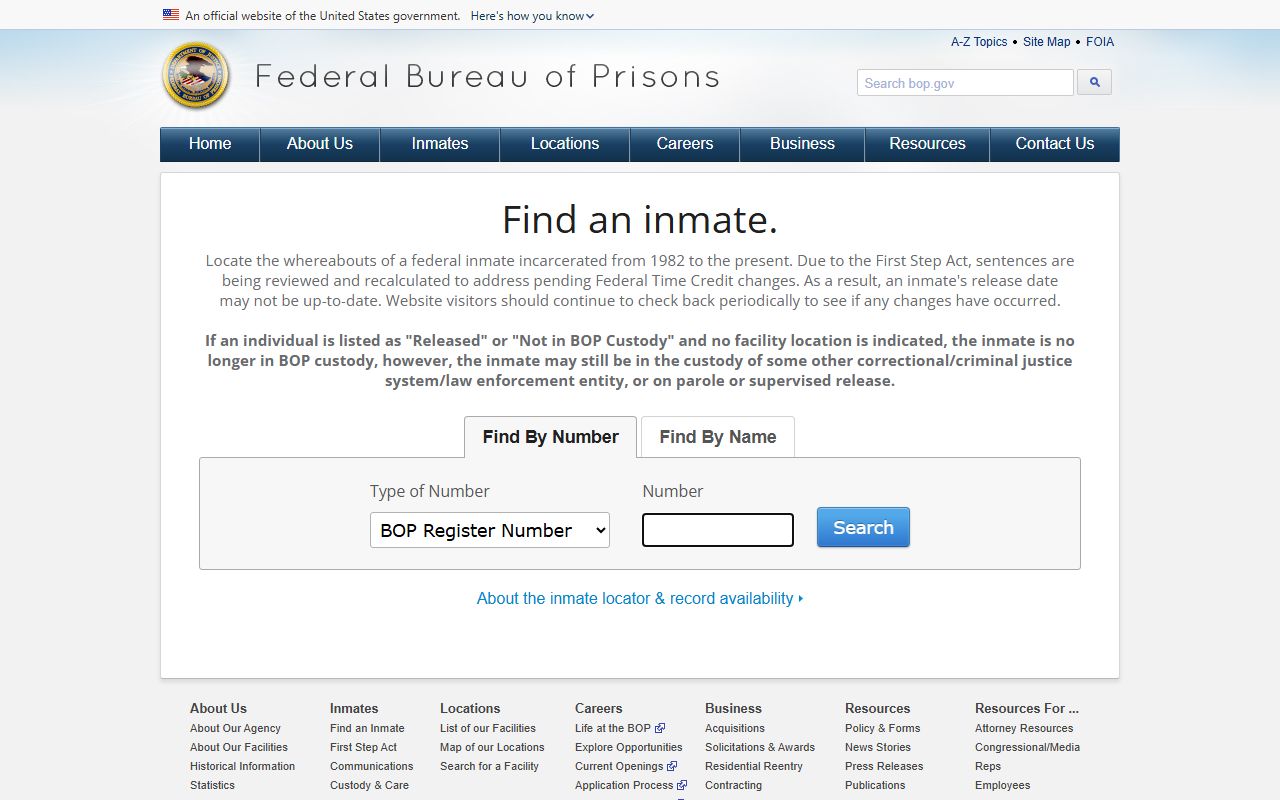
That locator is distinct from any county jail roster and from probate files. It only tracks people in federal custody, so it will not surface a state estate or guardianship case.
Appeals from state cases follow their own ladder, and federal appeals go higher still. The U.S. Court of Appeals for the Sixth Circuit is the federal appellate court for Michigan.
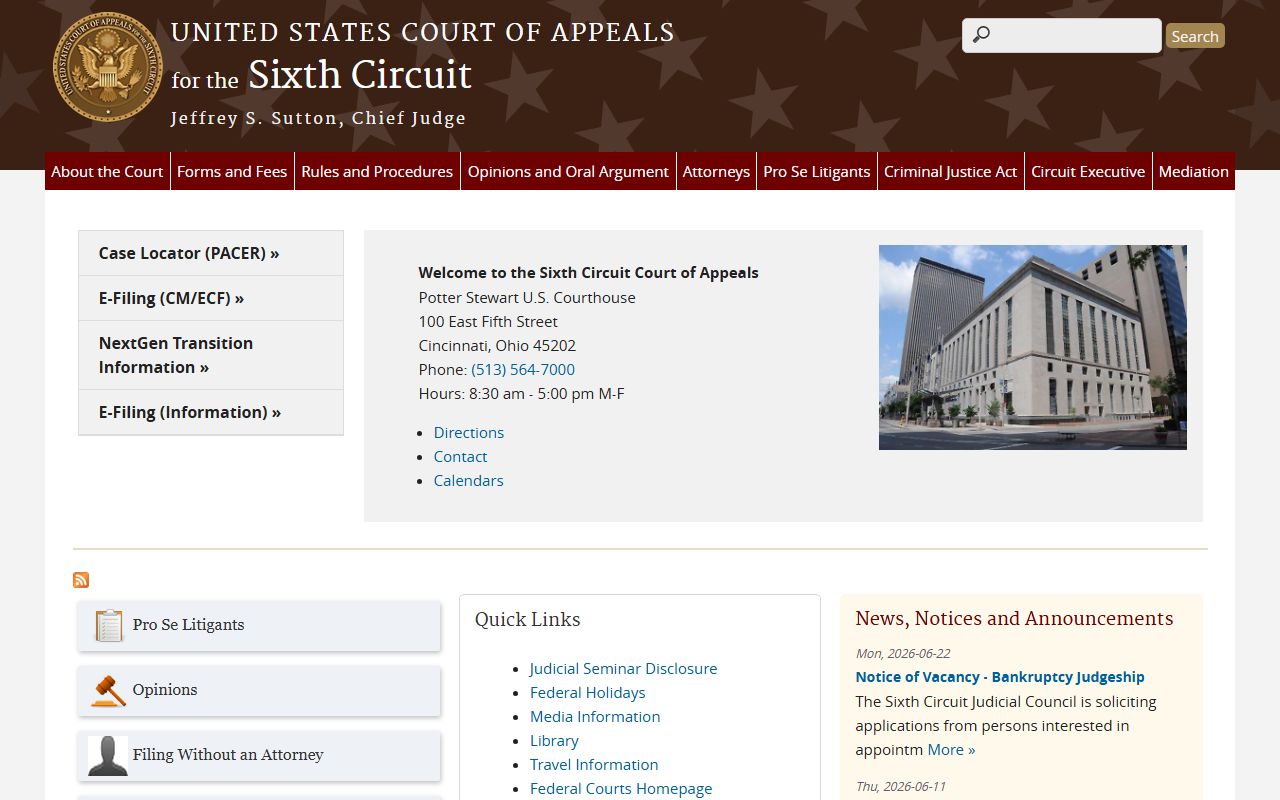
That court reviews federal decisions, not county probate orders. A Michigan probate appeal instead moves through the state appellate system.
Some record tools now live on a phone. The Michigan Sheriff Connect app gathers sheriff information across the state in one place.
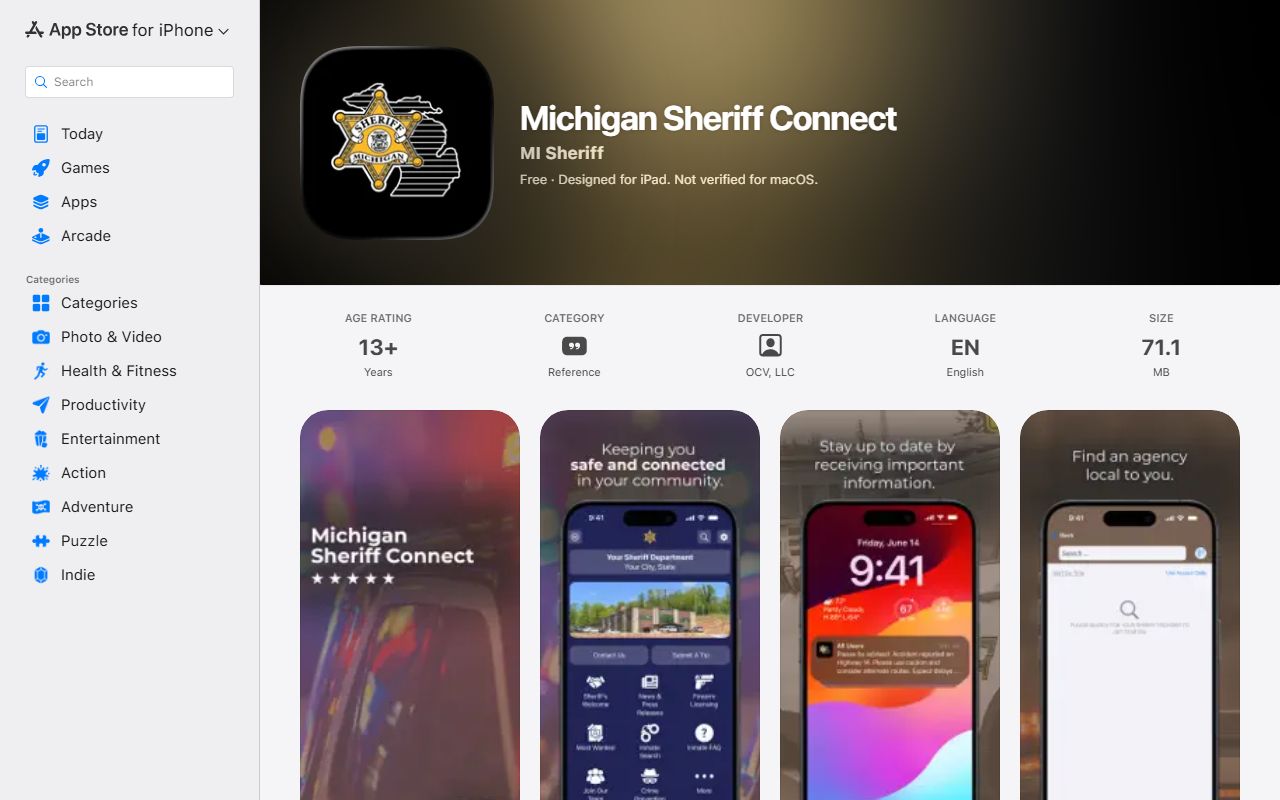
The app serves sheriff and jail lookups rather than probate. Still, it shows how county-linked records increasingly reach the public through mobile tools alongside the court's own search.